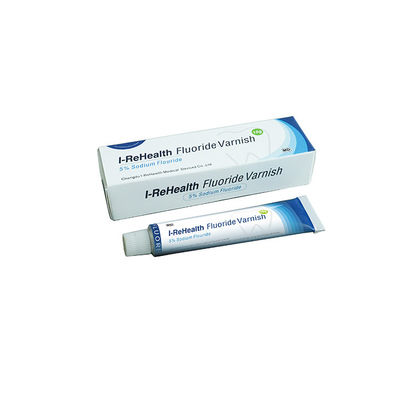
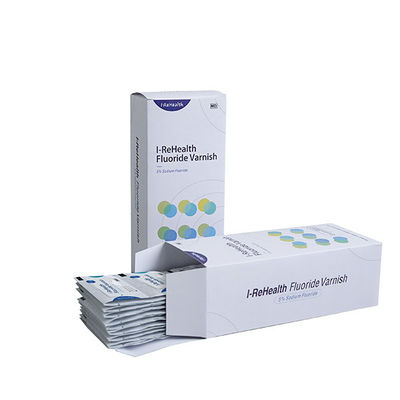
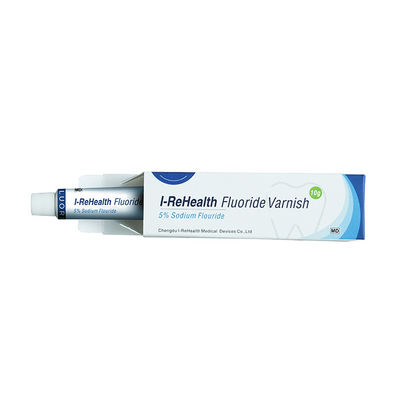
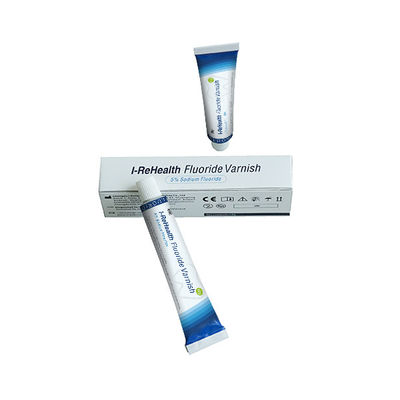
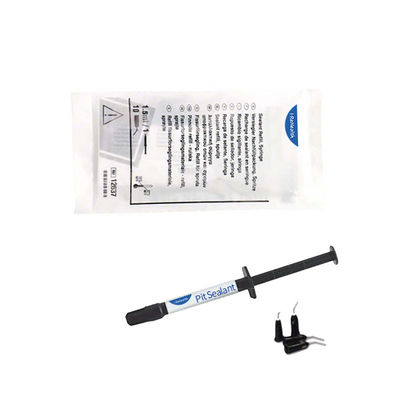
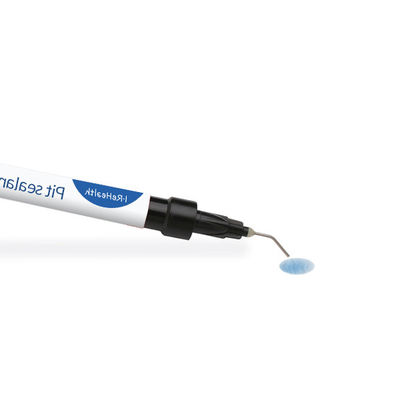
Dit artikel onderzoekt de toepassing van 5% natriumfluoride vernis voor kinderen met een hoog risico op cariës, patiënten met glazuurerosie en patiënten met gevoelige orale aandoeningen, en biedt gestandaardiseerde toepassingsrichtlijnen en parameters voor preventieve effectiviteit voor tandheelkundige zorg in de gemeenschap en klinische zorg.
In de pediatrische mondzorg vereisen kinderen met een hoog risico op cariës gerichte preventieve maatregelen. 5% natriumfluoride vernis vormt een stabiele beschermende laag op het glazuuroppervlak, waardoor zure erosie wordt verminderd. Het is geschikt voor zowel melk- als blijvende tanden en wordt door tandheelkundige professionals gedurende 1-2 minuten na het poetsen aangebracht. Het harsgebaseerde materiaal zorgt voor een langdurige afgifte van fluoride, aangepast aan de dagelijkse voeding en mondhygiëneroutines van kinderen. Regelmatige toepassing kan het risico op cariës aanzienlijk verminderen en tegelijkertijd zachte bescherming bieden voor gevoelige tanden.
Glazuurerosie komt veel voor bij adolescenten en volwassenen, vooral bij personen met een dieet met veel suiker of frequent gebruik van zure dranken. In tandheelkundige programma's in de gemeenschap wordt 5% natriumfluoride vernis gebruikt als standaardinterventie, die elke 3-6 maanden wordt aangebracht om een slijtvaste beschermende laag te vormen. Het vernismateriaal voldoet aan ISO 2919, behoudt hechting en effectieve fluorideafgifte onder normale kauw- en poetsomstandigheden, en levert meetbare preventieve resultaten op.
Voor patiënten met gevoelige orale aandoeningen moet fluoride vernis rekening houden met de zachtheid en geschiktheid van het materiaal. Harsgebaseerde 5% natriumfluoride vernis geeft fluoride af in omgevingen met een lage pH, bevordert de remineralisatie van glazuur en vermindert gevoeligheid. De vernislaag wordt gecontroleerd op 0,1-0,2 mm, wat de werkzaamheid garandeert en tegelijkertijd ongemak minimaliseert. Professionele toepassing zorgt voor patiëntcomfort en veiligheid.
5% natriumfluoride vernis biedt meetbare en betrouwbare interventies voor de mondgezondheid voor kinderen met een hoog risico op cariës, patiënten met glazuurerosie en patiënten met gevoelige orale aandoeningen. Gestandaardiseerde toepassing en professionele coating maken langdurige cariëspreventie en glazuurreminalisatie mogelijk in gemeenschaps- en klinische settings. Het wordt aanbevolen om de frequentie van toepassing en de laagdikte aan te passen op basis van het risiconiveau van de patiënt en de tandheelkundige conditie om de resultaten van de mondgezondheid te optimaliseren.


 Uw bericht moet tussen de 20-3.000 tekens bevatten!